
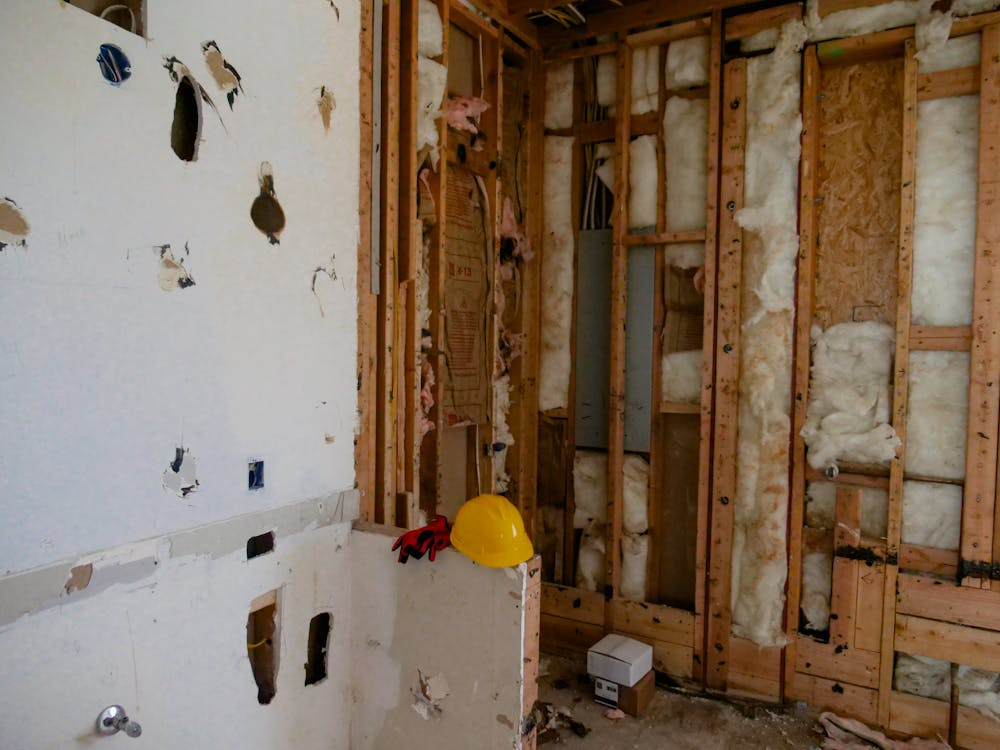
The presence or absence of basement insulation affects your house temperature and energy bills more than you think. When you don’t have insulation in your basement, it can lead to moisture damage, mold growth, and heat loss in colder months.
Key takeaways:
- A basement needs to have proper insulation depending on your climate zone, level of moisture, and budget.
- Proper basement insulation protects the house’s structures, prevents mold, and ensures temperature control in the house.
- The most well-suited materials for insulation are rigid foam boards, spray foam, and mineral wool.
Read on to learn about why insulation is important and the best insulation for basement walls you can choose.
Why Basement Walls Need Special Insulation
The main difference between above-ground house walls and basement walls is that the latter are in contact with the ground. When these walls are made from a single material, such as concrete, temperature regulation in the space is far from ideal. The lack of insulation will lead to constant heat loss in colder months.
In addition to temperature-related problems, your basement walls need proper insulation because moisture and vapor will keep forming. If left uncontrolled, excessive moisture will cause mildew or mold growth. What is more, it can slowly deteriorate the walls to the point that they need to be restored.
Other reasons why you shouldn’t ignore basement insulation are the comfort in your home and energy efficiency. If you leave the walls bare, this will make the rooms above, particularly the floors, colder. As a result, you will compromise your comfort or need to spend more on heating.
Key Factors to Consider When Choosing Basement Wall Insulation
Choosing the right basement wall insulation starts with understanding the essential factors that influence durability, energy efficiency, and moisture protection.
Moisture Resistance
Resistance to moisture in a basement is critical because it will leak through from the soil around the walls. Some of the best basement insulation materials available today are mineral wool, spray foam, and rigid foam boards.
R-Value and Thermal Performance
The R-value shows how well a material resists heat from the environment. If you look at the materials’ R-values, they range from around 20 for basement wall materials. For colder climates, you need to go as high as 15–20, while those in warmer climates can get away with around 10.
Installation Method
The basement insulation approach can differ depending on your needs, as you can insulate the walls on the interior or on the exterior. The former option is both easier and cheaper. Also, you can DIY such an installation to a degree by using straightforward materials, such as rigid foam boards. But if you want the best insulation for basement exterior walls, which is even better for moisture protection, you should choose the right contractor.
Cost and Long-Term Value
Your main insulation expenses will be the materials you choose and also labor if you hire specialists. While you have to make this investment upfront, you will save money on bills over time because your house will become more energy efficient. What is more, you won’t have to do extensive wall replacements or deal with other damage, which will be even more expensive.
Types of Insulation Materials for Basement Walls
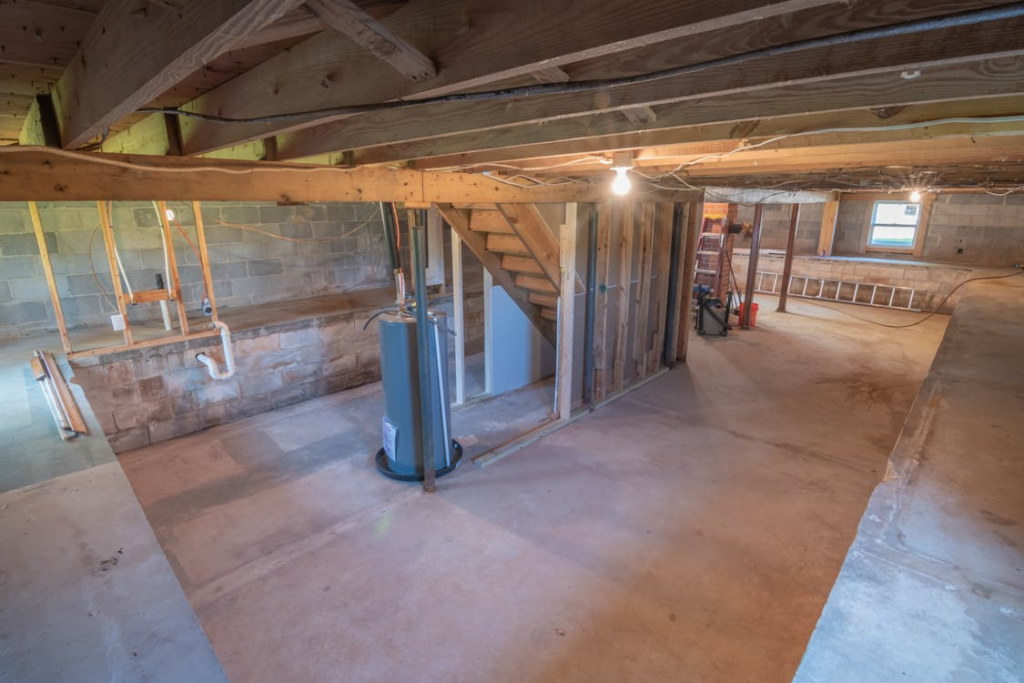
Since basements have unique moisture and temperature challenges, it helps to compare insulation materials side by side before choosing one.
Rigid Foam Board Insulation
Rigid foam boards are a great option for preventing moisture buildup. Also, they work well for stopping the cold air from leaking in and reducing noise. They are commonly used on the inside of basement walls. The downsides are a higher cost compared to some other materials and a lack of fire resistance.
Spray Foam Insulation
Depending on your needs and climate zone, closed-cell or open-cell spray foam can be the best insulation for a basement. The open-cell variant is less expensive, but its R-value is lower than that of the closed-cell one. Both spray foam types work well for air sealing, but if you need more intense moisture control, go for a closed-cell option.
Mineral Wool Insulation
If you need a moderate level of moisture resistance, mineral wool is likely the best material for basement walls in your case. As for other benefits, this material has outstanding soundproofing properties and is also fire-resistant.
Fiberglass Insulation (When It Works and When It Doesn’t)
Fiberglass is a budget-friendly insulation material that cannot be used on its own if your basement has excessive moisture. You need some kind of vapor barrier in place, or use additional rigid foam to make it work. It’s crucial to avoid installing fiberglass on top of bare concrete walls. Otherwise, mold is likely to develop in your basement.
Interior vs Exterior Basement Wall Insulation
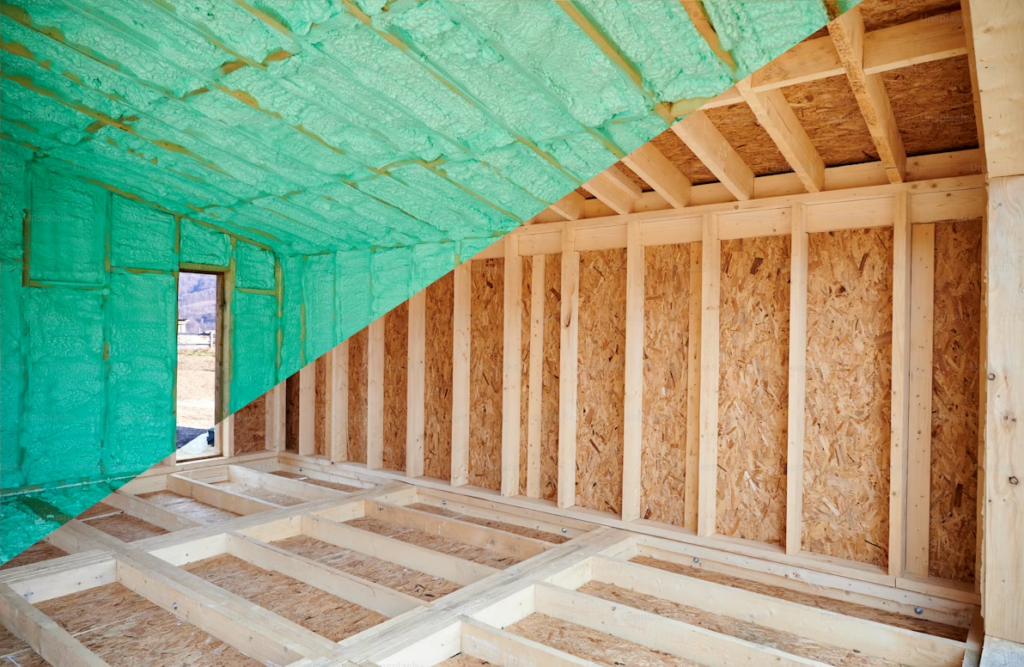
Homeowners most often choose insulation from the inside because it is easier and cheaper. You don’t need to start a complicated excavation project, and it’s a good option for when your basement is otherwise finished.
Exterior insulation mostly makes sense when you are just building your basement, or it’s a full-scale house remodeling. With this approach, you get even better thermal protection, but the upfront cost is high.
In most cases, interior renovation is both more cost-efficient and simpler, while still offering sufficient protection for most houses.
Сommon Basement Insulation Mistakes to Avoid
There are a few mistakes you should avoid when insulating your basement:
- Ignoring moisture levels. You should choose the materials according to the basement’s moisture levels. For some places, mineral wool is enough, while others need closed-cell spray foam.
- Not air sealing properly. Making sure the basement is air-sealed and there are no gaps in the material is crucial. Otherwise, thermal performance will be subpar.
- Using the wrong materials. For example, you may think that fiberglass right on the wall is enough for moisture protection, but you need additional measures.
How to Choose the Best Insulation for Your Basement
The first thing to consider when it comes to insulation type is whether your basement is finished or not. If your space is finished, it’s best to choose the most moisture-resistant materials. If the basement is unfinished, cheap basement insulation may be enough.
It’s also a good idea to look up the local building codes and your climate. In some zones, a high R-value of 20 is the norm for basement materials, while in others, you can get away with lower numbers.
Finally, before starting renovation, you should think about your budget. High-performance materials, such as spray foam, are not cheap, but you will save more on energy. Low-cost materials, such as fiberglass, won’t offer the same level of protection.
Why Choose Honeycomb Construction for Your Basement Insulation
Are you wondering who to hire for the best insulation for basement ceilings and walls? At Honeycomb Construction, we perform basement insulation of any complexity using modern moisture-resistant materials.
The benefits of choosing our company are:
- Transparent pricing. We give all clients a detailed quote so you know exactly what you pay for and how much.
- Experience. We completed over 250 remodeling projects, including elaborate basement insulations that helped reduce energy bills.
- Timely execution. With all our projects, we stick to deadlines and inform clients beforehand how long everything will take.
Contact Honeycomb Construction for expert insulation installation and guidance on materials.
Conclusion
The materials you can use to achieve the best insulation for concrete basement walls are rigid foam boards, spray foam, and mineral wool. If your basement accumulates a lot of moisture, you should choose closed-cell spray foam or rigid foam boards. Mineral wool is better for dryer spaces or as an additional protective measure.
FAQ
About the Author: Alex Key

continue reading
Related Posts
In this article, let’s find out how to plan and execute a partial or full bathroom remodel effectively.
In this article, let’s find out how to plan and execute a partial or full bathroom remodel effectively.

In this article, let’s find out how to plan and execute a partial or full bathroom remodel effectively.